When to Call a Plumber: A Homeowner's Guide
This is a subtitle for your new post

Most plumbing trouble announces itself before it becomes a disaster. A slow drain, a toilet that runs on, a faint musty smell under the sink - each one is a small signal that something in your system is no longer working the way it should. The hard part for a homeowner is knowing which signals mean "grab a plunger" and which mean "call a licensed plumber today."
This guide walks through the plumbing issues that are genuinely safe to handle yourself, the warning signs that mean it is time to stop and call a pro, and what to expect when you do.
Know your limits before you start
DIY plumbing is not all-or-nothing. Tightening a loose faucet handle or clearing a hair clog is reasonable weekend work. Anything that touches your main water line, gas lines, sewer line, or electrical connections around a water heater is not.
Three things separate a safe DIY job from a risky one:
- Water supply. If you have to shut off the main valve to do the work, you are past the DIY line.
- Waste lines. Sinks, tubs, and toilets can be cleared from the fixture side. Anything below the floor is a sewer issue.
- Permits and inspections. Water heater replacement, gas work, and backflow testing are regulated for a reason - they need a licensed professional and, in many cases, a permit.
If your repair falls into any of those categories and you are in Coraopolis or the Greater Pittsburgh area, the responsible move is to call a licensed plumber rather than risk a costly mistake.
Fixes most homeowners can handle safely
These are the jobs where a little patience and a few basic tools usually get you to the finish line.
Clearing a single slow or clogged drain
Start with a plunger and a drain snake before you reach for chemicals. Chemical drain cleaners can damage older pipes and rarely solve the underlying blockage. If one fixture drains slowly but everything else is fine, the clog is almost always close to that fixture and often within reach.
Resetting a tripped garbage disposal
If your disposal hums but will not turn, the reset button on the bottom is usually the fix. If it is silent, check the wall switch and the breaker before assuming the unit has failed.
Replacing a worn toilet flapper or fill valve
A running toilet is often a $10 part and twenty minutes of work. Shut off the supply valve, drain the tank, swap the flapper, and you are done. If the toilet rocks, leaks at the base, or backs up repeatedly, stop - that is a plumbing problem, not a parts problem.
Tightening a dripping faucet
A steady drip from a faucet handle usually means a worn washer, cartridge, or O-ring. Rebuild kits are widely available and the repair is straightforward on most fixtures.
Unclogging a shower or tub with a hair catcher
Remove the strainer, pull the hair out with a hook, and follow with a snake if needed. Slow tub drains that return within days are a sign the blockage is deeper than the trap.
Warning signs that mean it is time to call a plumber
Some symptoms look small but point to a system-wide failure. Treat any of these as a call-now signal.
Water where it should never be
Puddles around the base of the water heater, the toilet, or the washing machine mean an active leak. Shut off the supply and call. Water and electricity in the same cabinet make this urgent, not optional.
Sewage smell or backup
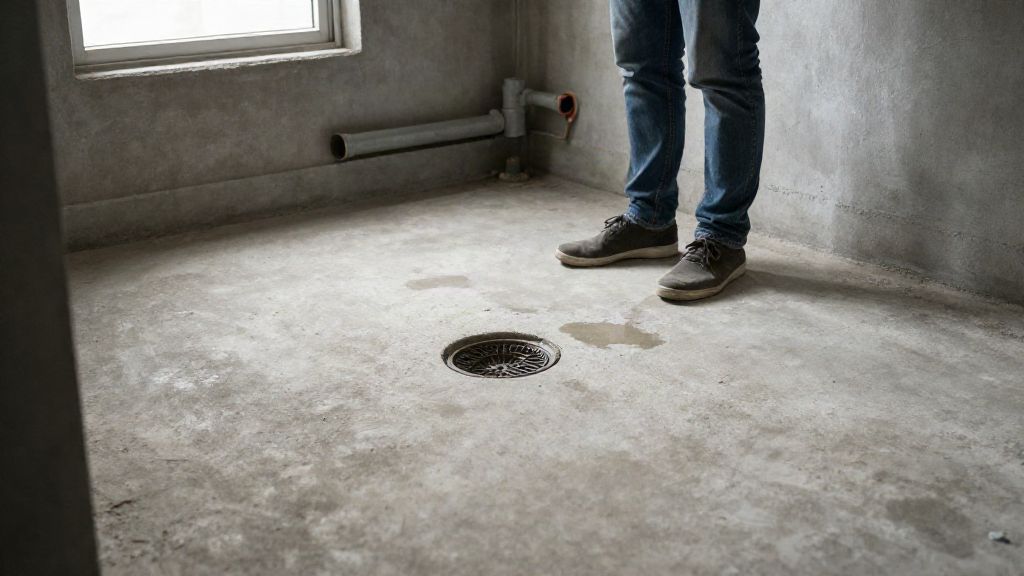
A gurgling drain paired with a sewage odor is a classic sign of a blocked or damaged main line. If sewage backs up into a tub or floor drain when you run water elsewhere, stop using the plumbing and call a professional immediately. Repeated backups after snaking usually mean the line itself needs inspection - not another round of drain cleaner.
Multiple fixtures draining slowly at once
One slow drain is a local clog. Every drain in the house running slow is a main line problem. That distinction matters because the fix is completely different - and the DIY version can make things worse.
Low water pressure throughout the house
Weak pressure at every tap can indicate a failing pressure regulator, a corroded galvanized line, or a supply-side leak. This is diagnostic work best handled with the right equipment.
No hot water, or water that will not stay hot
A water heater that produces nothing, leaks from the tank, or trips the breaker repeatedly has reached the end of its DIY life. Sediment, a failed heating element, or a corroded tank all require a professional assessment - and in many cases, a permitted replacement.
Rust-colored or metallic-tasting water
Discolored water from a single tap is usually a fixture issue. Discolored water from every tap can mean corroded pipes or a failing water heater. Both are worth a professional look before they become a burst-pipe emergency.
A water bill that jumped for no reason
A sudden unexplained increase almost always means a hidden leak. A licensed plumber can locate it with leak detection equipment instead of guesswork - and before it damages your floors or foundation.
When the problem is underneath your property
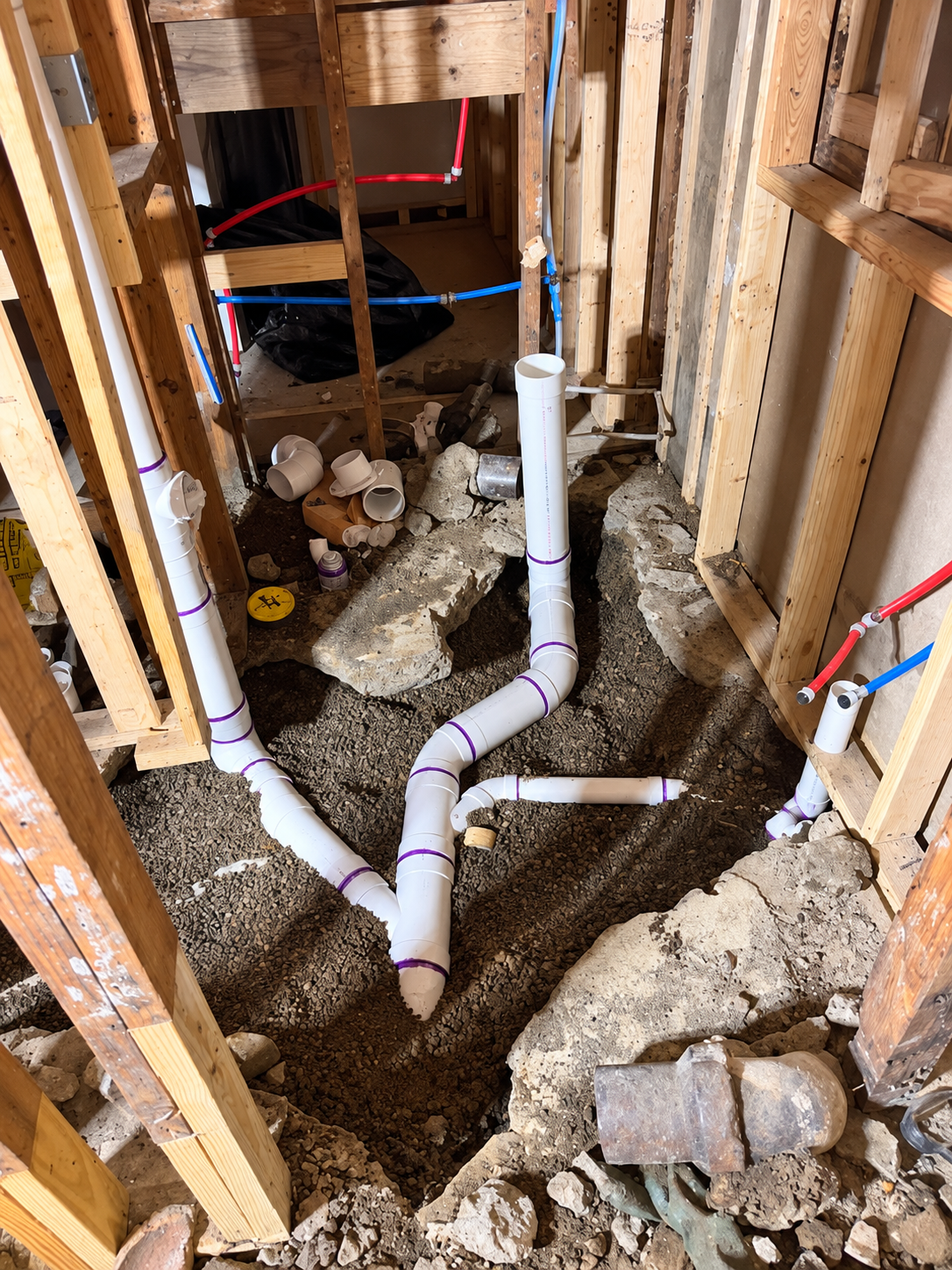
Some of the most expensive plumbing problems happen where you cannot see them: the sewer line running from your home to the main. Tree roots, shifting soil, and aging pipe material all take a toll, especially on older homes common across the Pittsburgh region.
Signs that you are dealing with a sewer line issue, not a simple clog:
- Backup that returns within days of clearing
- Gurgling from multiple drains
- Multiple slow drains across the house
- Foul odors in the basement or yard
- Soggy patches or unusually green spots in the lawn
Sewer work is not a DIY project. It requires diagnostic inspection and professional-grade equipment, and getting it right the first time is far cheaper than repairing the damage from a failed line.
What to expect when you call
A good plumbing company will tell you what is happening before it starts working. Expect a clear diagnosis, an explanation of the options, and a straight answer about cost. If your issue touches water heaters, gas lines, or backflow prevention, expect to hear about permitting and inspection requirements - that is a sign of a professional, not a hurdle.
Atkins Mechanical serves homeowners in Coraopolis and the surrounding Greater Pittsburgh area with residential plumbing and HVAC work, including sewer repair, drain cleaning, water heater installation, backflow testing, and AC installation. Our approach is simple: diagnose accurately, explain clearly, and do the job right the first time.
The bottom line
DIY has a place in home plumbing - a clogged drain, a running toilet, a dripping faucet. Everything else is usually cheaper and safer in the hands of a licensed professional. If water is where it should not be, if more than one fixture is misbehaving, or if the smell tells you the problem is in the main line, stop and make the call.
When in doubt, ask. A short conversation with a licensed plumber costs far less than a repair done twice.
Recent Posts