Sewer Repair in Coraopolis: Clog or Line Problem?
Sewer Repair in Coraopolis: Clog or Line Problem?
A slow drain is easy to ignore. It gurgles, it clears after a few minutes, and life moves on. Then one morning the basement floor is wet, the laundry sink backs up when you run the shower, and you realize the problem was never in the sink at all.
For homeowners in Coraopolis and the surrounding communities, that moment is usually when the question becomes urgent: is this a clog I can handle, or is it the main sewer line? The two problems look similar from the kitchen, but they call for very different responses. This guide walks through the warning signs, what a real diagnostic inspection involves, and what to expect if your line needs repair.
The Difference Between a Clog and a Line Problem
A clog lives in one fixture's branch drain - the short pipe that runs from your sink, tub, or toilet to the main line. A line problem lives in the main sewer line itself, the single pipe that carries everything from your home to the municipal connection or septic system.
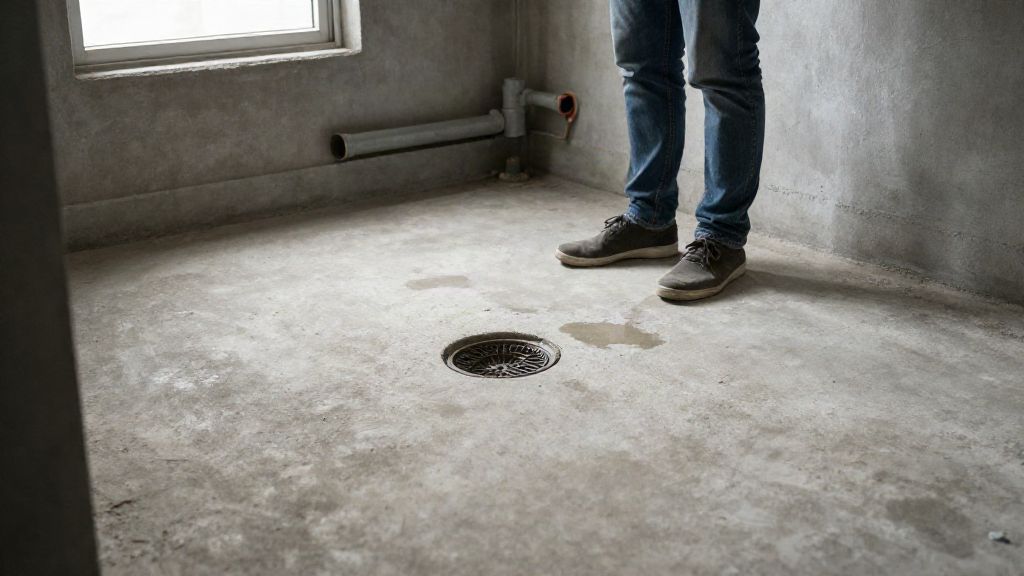
That distinction matters because the symptoms overlap. A kitchen sink that drains slowly is almost always a local clog. A basement floor drain that backs up every time you run a load of laundry is almost never local - the water is finding the path of least resistance because the main line is restricted.
The simplest way to think about it: if one fixture misbehaves, suspect a clog. If fixtures throughout the house misbehave at the same time, suspect the line.
Warning Signs a Clog Has Become a Real Line Problem
Multiple fixtures backing up at once
This is the clearest signal. When flushing a toilet causes water to rise in the shower, waste is no longer moving out of the house the way it should. The blockage is downstream of every fixture, which means it sits in the main line.
Sewage odor inside or around the house
A functioning sewer line is sealed. If you smell sewage in the basement, near the floor drain, or in the yard above the line, gas is escaping somewhere it should not - often through a dried-out trap or a break in the pipe.
Repeated backups after clearing
If you have snaked the same drain three times this year, you are not fixing a clog. You are clearing a small opening through a larger obstruction - grease buildup, scale, or root intrusion - and it closes again as soon as the cable comes out.
Slow drainage house-wide
Every drain in the home getting progressively slower over weeks or months points to accumulating buildup in the main line rather than a single blockage.
Wet spots, sinking patches, or unusually green grass in the yard
A cracked or offset sewer line leaks into the soil. Look for soft, sunken sections along the path of the line, or a strip of grass that stays greener than everything around it. In western Pennsylvania, the freeze-and-thaw cycle and our older housing stock make settled, root-invaded lines a common find.
Gurgling toilets and floor drains
Gurgling means air is being pulled through a trap because water is not moving freely. It is one of the earliest warnings a main line gives you - and the easiest to dismiss.
What a Diagnostic Inspection Actually Involves
Guessing is expensive. A proper diagnostic inspection replaces guesswork with evidence, and it is the step that determines whether you need drain cleaning or a full line repair.
1. Locating the cleanout and the line. The technician finds the exterior cleanout access and maps the run of the pipe from the house to the municipal connection. On older properties, this sometimes means locating the line from scratch.
2. Camera inspection. A high-resolution sewer camera is fed through the line, recording the full length of the pipe. The video shows the actual condition of the interior: grease and scale, root masses at joints, cracks, offsets, bellies where the pipe has settled, and collapsed sections.
3. Depth and condition measurement. The technician notes how deep the line sits, where the defects are, and how severe each one is. Root intrusion at 20 feet from the cleanout means something very different from a collapsed section under a driveway.
4. Drain cleaning or jetting where appropriate. If the obstruction is debris, grease, or roots without structural damage, hydro-jetting clears the pipe and restores full diameter rather than punching a hole through the blockage.
5. A clear recommendation. You should leave the inspection knowing exactly what was found, what it means, and whether the line can be maintained or needs to be repaired. Ask to see the footage.
When Drain Cleaning Is Enough - and When It Is Not
Drain cleaning is the right answer when the pipe is structurally sound and the obstruction is material that accumulated over time: grease, soap scum, hair, paper, or a modest amount of root growth.
It is not the right answer when the pipe itself has failed. No amount of jetting fixes a collapsed section, a significant offset between two lengths of pipe, or a line that has bellied and holds standing water. Repeatedly clearing a failing line is the most common way homeowners spend money twice - once on the clearing, then again on the repair they actually needed.
A camera inspection is what separates the two cases. Without it, you are treating symptoms.
What to Expect From a Full Line Repair
If the inspection shows structural damage, the repair usually follows one of a few paths:
- Spot repair. When damage is isolated to one section, that section is excavated and replaced, then the line is restored and the area backfilled.
- Pipe bursting or lining. For lines that are cracked, root-invaded, or slightly offset along most of their length, trenchless methods can restore the pipe with far less digging and disruption to your yard and driveway.
- Full line replacement. Reserved for lines that are collapsed, badly misaligned, or made of material that has reached the end of its life.
Talk through the options before work begins. Ask what the warranty covers, whether the repair is trenchless or excavated, and how the work area will be restored. A straight answer to those three questions tells you a great deal about the crew you are hiring.
Red Flags in a Sewer Repair Quote
- A recommendation for full replacement with no camera footage shown
- No explanation of the depth, location, or cause of the problem
- Pricing quoted before anyone has inspected the line
- No mention of permits, restoration, or warranty
Protect the Line Before It Fails
A few habits meaningfully extend the life of a main line. Never pour grease down a drain. Use strainers in kitchen and bathroom sinks and empty them into the trash. Avoid flushing wipes, paper towels, and feminine products, even the ones labeled flushable. Know where your cleanout is before you need it, and schedule a camera inspection every few years - more often for homes with mature trees near the line or plumbing that predates the 1980s.
The Bottom Line for Coraopolis Homeowners
One slow drain is usually a clog. Slow drains throughout the house, repeat backups, gurgling, and sewage odor together mean the main line is the problem - and the only way to know what you are dealing with is to look inside the pipe.
Atkins Mechanical handles the tough jobs. From diagnostic inspections that show you exactly what is happening in your line to drain cleaning, sewer repair, and full line restoration, our team works with professional-grade equipment and a simple standard: get it done right the first time. If your drains are telling you something, call us and let us find out what - before a small restriction becomes a flooded basement.
Recent Posts